
The British retail landscape is changing in a profound way. A powerful move towards circular shopping habits is redefining how people buy and sell goods.
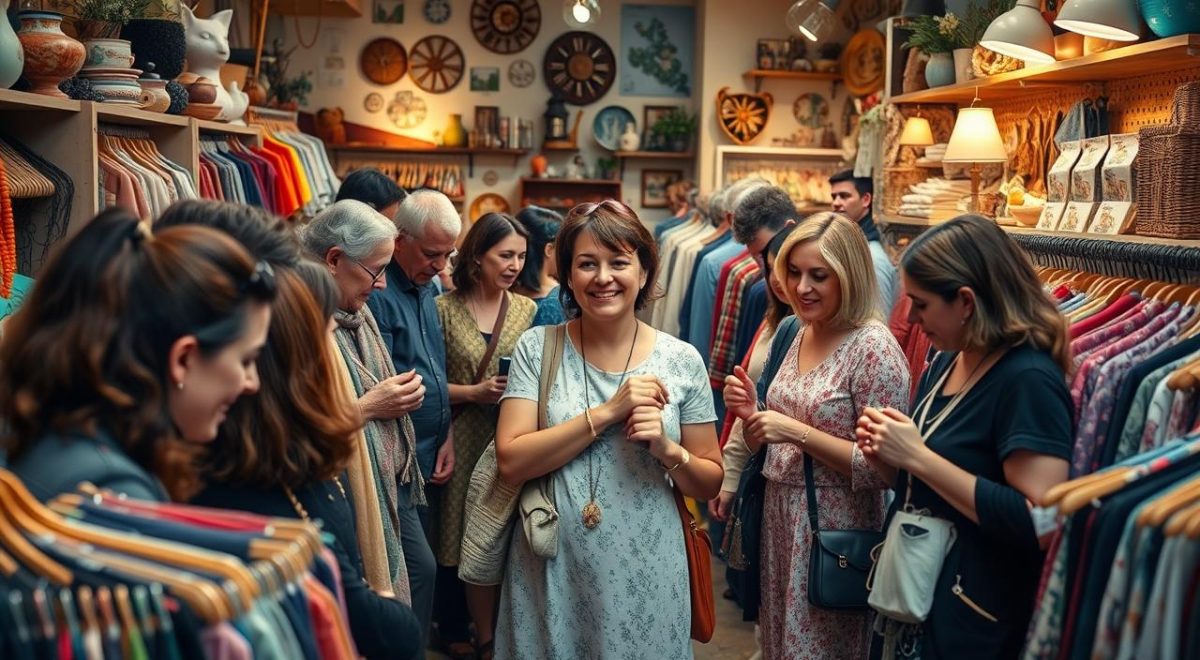
Recent data highlights this shift. The January Consumer Spend Report shows marketplace growth of 4.8% vastly outperforming the broader retail spending increase of just 1.7%.
This isn’t just about saving money. Shoppers across the nation are actively choosing to avoid new items. They prioritise value and sustainable choices in their daily lives.
The rise of pre-loved goods is now a permanent fixture. It is reshaping how businesses operate and how consumers interact with the entire retail environment.
Key Takeaways
- The UK retail sector is undergoing a fundamental transformation towards circular shopping.
- Marketplace growth is significantly outpacing general retail spending increases.
- British consumers increasingly value sustainability and cost-effectiveness over new purchases.
- This shift towards pre-owned items is a lasting cultural change, not a temporary reaction.
- The evolution demands new strategies from businesses operating in the modern retail space.
- Consumer values are now a stronger driver than short-term economic fluctuations.
Historical Background and Rise of Second-Hand Culture
Over the last half-decade, a seismic change has reshaped consumer attitudes towards ownership. Data reveals a 113% surge in average monthly spending on pre-loved items, jumping from £58.40 to £124.80. This dramatic rise signals a fundamental evolution within the retail industry.
Evolution of Consumer Habits Over the Years
Shopping behaviours have transformed significantly. For many years, buying brand-new goods was the default. Now, a more considered approach prioritises item longevity and reuse.
This shift represents a major departure from fast consumption. The industry has adapted to meet this new demand for quality pre-owned products.
Traditional Versus Contemporary Approaches
Traditional shopping focused on immediate ownership of new items. The contemporary mindset values circularity and sustainable management of personal inventory.
This evolution highlights how the sector for pre-owned goods has matured. It is now a sophisticated and essential part of the modern retail landscape.
Current Landscape of Second-Hand Retail in the UK
Today’s resale sector is experiencing unprecedented growth, fuelled by online platforms and younger shoppers. This vibrant landscape is marked by significant investment and a clear shift in who is buying and why.
Market Expansion and Online Sales Growth
Digital platforms are driving remarkable expansion. Vinted’s valuation exceeds £8 billion, backed by massive venture capital. This shows immense confidence in the sector’s future.
eBay’s move to acquire Depop for $1.2 billion highlights the strategic importance for global companies. Major high street retailers now face direct competition from these agile online marketplaces.
Shifts in Consumer Demographics and Spending
Younger generations are the core drivers. A striking 74% of consumers aged 34 and under regularly purchase pre-loved items.
Their spending habits prioritise value and sustainability. This demographic shift forces fashion companies to rethink their traditional offerings and marketing.
Impact of Economic Pressures on Purchasing Decisions
Financial pressures are a key factor. Many customers seek affordable alternatives to new products.
This leads to increased spending on pre-owned clothing and accessories. Retailers must adapt to serve these cost-conscious yet values-driven shoppers effectively.
Insights into second hand market UK trends
Statistical evidence now clearly outlines the powerful momentum behind circular shopping. To understand this shift, we must examine the latest figures and regulatory developments.
Data Analysis from Recent Reports and Studies
A recent report by the Boston Consulting Group values the global resale market between $210 and $220 billion. This highlights the immense scale of the industry.
Research compiled by the Centre for Economics and Business Research projects the UK online pre-owned market will reach £4.8bn in 2025. Our latest industry report surveyed 10,000 adults across Europe.
It aimed to identify the key factors driving this change. By analysing this data, we see the sector is expanding three times faster than the firsthand retail economy.
| Metric | Value | Source | Key Insight |
|---|---|---|---|
| Global Resale Market Valuation | $210-$220 billion | Boston Consulting Group | Highlights immense scale of the industry |
| UK Online Pre-Owned Market Projection (2025) | £4.8 billion | Centre for Economics and Business Research | Shows rapid domestic expansion |
| Consumer Survey Sample Size | 10,000 adults | Latest Industry Report | Identifies factors behind circular shift |
| Growth Rate Comparison | 3x faster than firsthand retail | Data Analysis | Underlines sector momentum |
Regulatory Changes and Sustainability Initiatives
New regulations and corporate sustainability drives are shaping the landscape. These initiatives encourage both businesses and shoppers to participate in the circular economy.
They make reusing goods a more structured and attractive option. For ongoing analysis, sign up for our free newsletter subscription. You will receive the latest industry intelligence and research updates directly.
Economic Impacts and Business Opportunities
Businesses of all sizes are now capitalising on the powerful economic currents within the resale industry. This shift creates new revenue streams and demands adaptation from the entire logistics sector.
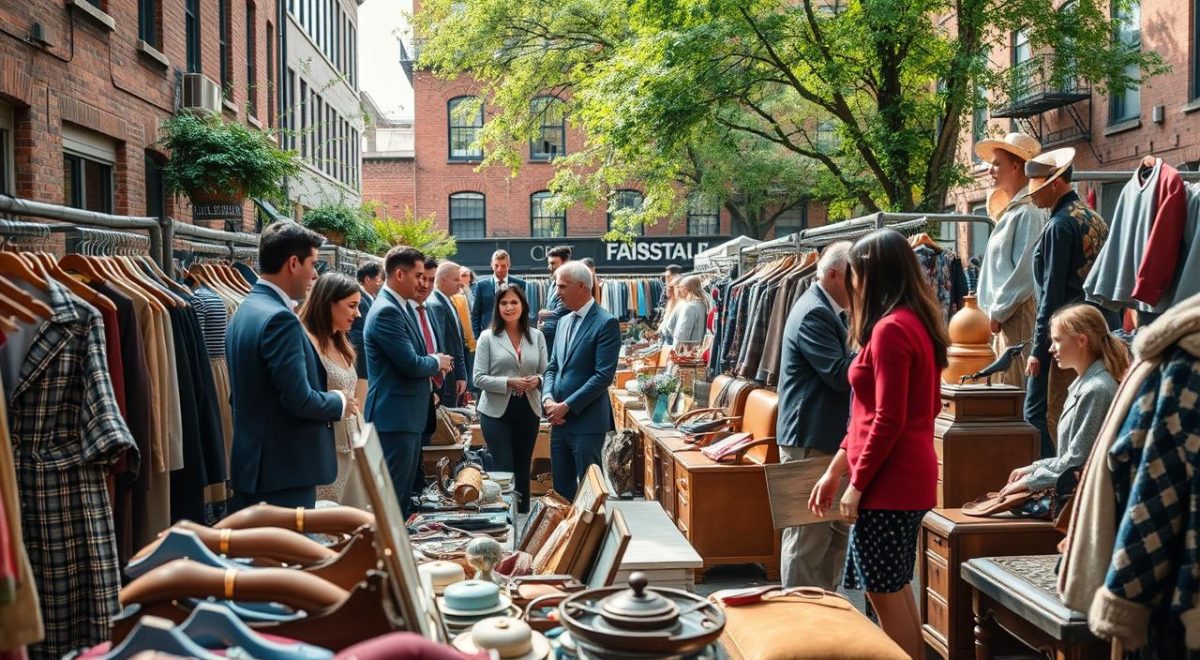
Carrier Evri handles over 800 million parcels annually. It reported a 160% year-on-year growth in volumes from popular resale platforms.
Growth Drivers and Revenue Expansion
Several key forces are fuelling this expansion. Consumer desire for value and sustainable products is primary.
The logistics industry is a critical partner for scaling operations. This dependency creates major opportunities for carriers and fulfilment companies.
| Primary Growth Driver | Direct Impact | Resulting Business Opportunity |
|---|---|---|
| Consumer Demand for Circular Goods | Increased transaction volume & parcel flow | New service models for logistics and authentication |
| Scaling of Resale Platforms | 160% parcel growth for carriers like Evri | Specialised fulfilment partnerships for retailers |
| Digital Storefront Integration | Blending new and pre-loved items | Revenue diversification for small business owners |
| High Street Evolution | Shift in consumer spending habits | Capturing a larger market share through hybrid models |
Leveraging Second-Hand Sales for Small Businesses
For independent retailers, adding pre-owned stock offers a smart way to grow. It attracts a broader customer base without major inventory cost.
This strategy provides a sustainable path for small business growth. It helps them thrive amid challenges facing traditional high street industry players.
Digital Transformation and Innovation in Resale
A new wave of digital tools is revolutionising how pre-owned goods are authenticated, sold, and traced. This shift is moving the entire industry towards a more transparent and efficient future.
The Emergence of Digital Product Passports
A major innovation is the Digital Product Passport. Within two years, these will be mandatory in the European Union.
They create a permanent digital record for every product. Sectors like fashion, footwear, and household textiles are priority areas.
This allows anyone to check a garment’s history and origin. It brings new levels of trust to clothing resale.
Technological Advances in E-Commerce Platforms
Modern selling platforms are integrating sophisticated features. These include AI-powered authentication and streamlined logistics for retailers.
Such advances make managing resale inventory far simpler. They help businesses capture a larger share of the growing circular economy.
Integration of Data-Driven Reporting and Traceability
The backbone of this transformation is data. Detailed reporting provides crucial business intelligence on supply chains and product lifecycles.
This data-driven approach ensures full traceability from creation to resale. It empowers the industry to operate with greater confidence and clarity.
Sustainability and Ethical Consumerism
Sustainability has moved from a niche concern to a mainstream priority for British shoppers. This ethical shift represents a fundamental change in how consumers evaluate their purchases.
Environmental Benefits of Pre-Loved Goods
Keeping products in active use delivers substantial ecological advantages. Last year alone, approximately 199 million items were kept in circulation through the resale industry.
This massive reuse effort significantly reduces waste and carbon emissions. It directly counters the environmental cost of manufacturing new goods.

Consumer Adoption of Sustainable Shopping Practices
Research shows environmental issues motivate 25% of shoppers in their purchasing decisions. This is a key factor behind the growing preference for pre-owned products.
Many consumers now actively seek out pre-loved furniture and clothing. They aim to lower their personal carbon footprint while avoiding fast fashion cycles.
By embracing these practices, consumers participate in a circular economy. This system values the longevity and reuse of all goods.
The industry must continue highlighting these benefits. This encourages more people to consider the resale option for their future purchases.
Challenges and Future Outlook
Looking ahead, the industry must navigate a complex landscape of consumer doubts and regulatory evolution. Sustained growth depends on overcoming specific barriers that currently limit wider adoption.
Barriers, Consumer Concerns and Evolving Regulations
Product quality is a major hurdle. Recent surveys show 43% of shoppers cite products‘ condition as a primary barriers to purchase.
This concern directly affects buyer confidence in the resale market. Another significant issue is the lack of protection.
Around 39% of consumers are worried about the absence of warranties. This increases the perceived risk and cost of buying pre-owned goods.
Addressing these concerns is essential for companies. It provides a reliable way to purchase and helps increase their share of the sector.
| Key Consumer Concern | Percentage Affected | Primary Impact | Potential Regulatory Focus |
|---|---|---|---|
| Product Condition | 43% | Reduces purchase confidence | Standardised grading systems |
| Lack of Warranty | 39% | Increases perceived risk | Mandatory guarantee periods |
| Seller Trust | Notable factor | Hinders transaction completion | Verified seller schemes |
Future rules will likely focus on standardising quality. This includes refurbished furniture and electronics to boost confidence.
Overcoming these factors is critical for the long-term success of the industry. It must evolve alongside changing expectations from consumers.
Conclusion
Retail’s future is being rewritten, with reuse and resale at its core. The pre-owned sector is now a vital component of the modern retail industry. Significant growth over the last year confirms this permanent shift.
Data continues to highlight key drivers. Shoppers prioritise lower cost and environmental sustainability. These factors make participation in the circular economy appealing.
Businesses that adapt to these patterns will thrive. Offering transparent product information and reliable delivery options is essential. This strategy helps retailers secure a larger market share.
Challenges regarding item condition and trust persist. The industry is evolving to overcome these barriers. It provides a more secure and efficient way to purchase pre-loved goods.
Ultimately, this transition reshapes the fashion industry. It sets a new standard for how we value the items we own.
 CALL NOW