
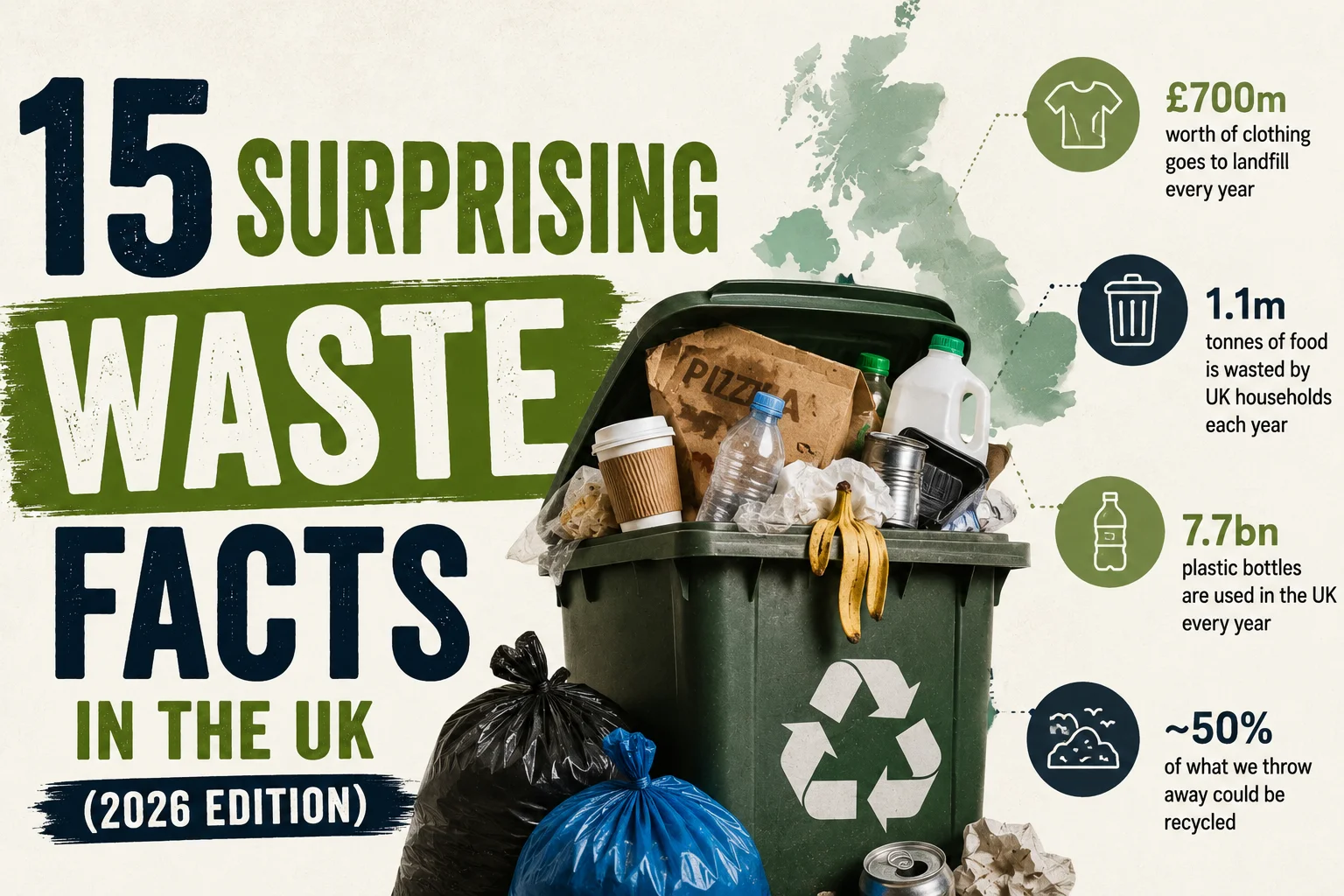
UK waste statistics 2026 reveal surprising changes in how Britain manages rubbish, recycling, landfill reduction, and sustainability efforts. From rising electronic waste to construction debris and smarter recycling systems, the latest figures highlight how households and businesses are adapting to stricter environmental expectations. Understanding these trends helps explain where the country is improving and where serious waste challenges still remain.
Britain’s approach to rubbish and recycling is evolving rapidly. Rising environmental awareness, stricter regulations, and pressure on businesses have transformed how materials are collected, processed, and reused nationwide. Some industries have made significant progress, while others still struggle with growing volumes and landfill dependency.
This guide explores the most interesting insights shaping the industry in 2026. Whether you are a homeowner, business owner, or sustainability professional, these findings offer a clearer understanding of how waste impacts the economy, the environment, and everyday life in Britain.
Key Takeaways
- Construction remains the largest contributor to rubbish generation in Britain
- E-waste is one of the fastest-growing waste streams nationwide
- Recycling technology is becoming increasingly automated
- Landfill reduction targets are reshaping disposal strategies
- Businesses now prioritise transparent waste collection services
- Circular economy models continue gaining momentum across multiple sectors
Construction Waste Still Dominates National Volumes
The construction industry continues to generate the largest share of discarded material in Britain. Demolition rubble, excavation soils, concrete, wood, and packaging contribute millions of tonnes every year.
Recent reports show that construction and demolition activities account for more than half of all commercial waste generated nationwide. This places enormous pressure on recycling centres and recovery facilities.
However, the sector has also become one of the strongest adopters of recycled aggregates and reusable materials. More contractors now prioritise material recovery to reduce disposal costs and meet environmental standards.
Britain Produces Millions of Tonnes of E-Waste Each Year
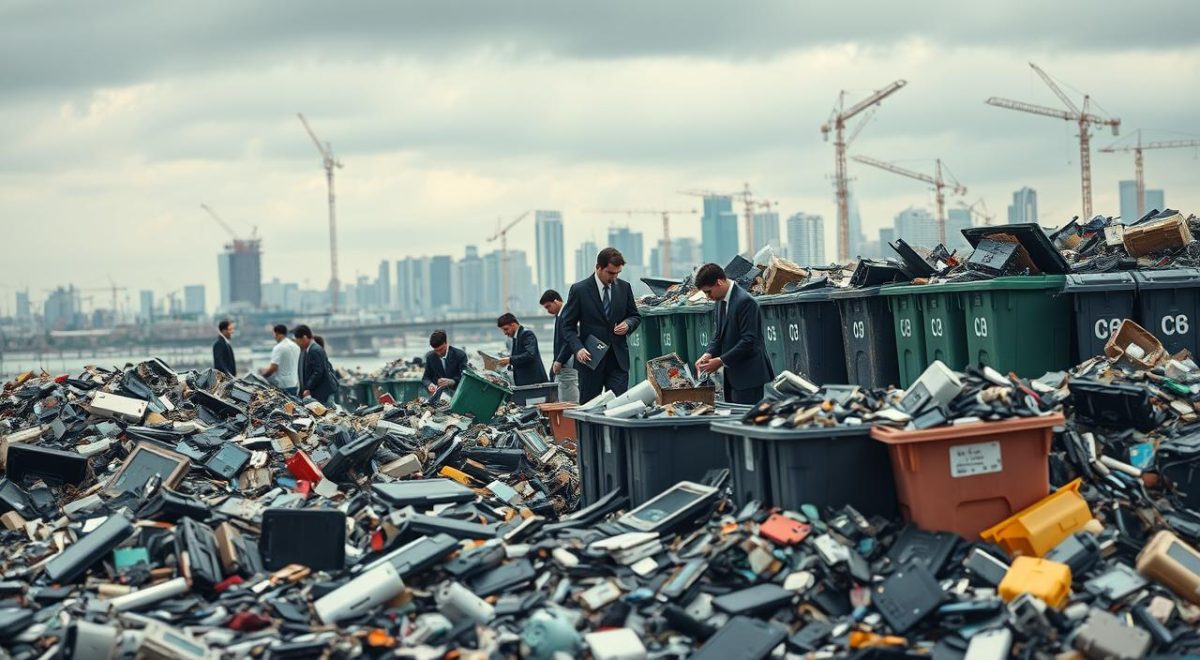
Electronic waste has become one of the most difficult categories to manage effectively. Old laptops, smartphones, televisions, batteries, and household appliances contain valuable resources but also hazardous materials.
Experts estimate that around 1.6 million tonnes of electronic waste are generated annually in the UK. Unfortunately, a significant percentage still avoids proper recycling channels.
The rapid growth of technology consumption means e-waste volumes are expected to rise further throughout the decade.
Recycling Rates Have Improved — But Progress Is Slowing
Household recycling rates increased steadily for years, but recent improvements have slowed across several regions.
While many councils continue investing in greener collection systems, contamination inside recycling bins remains a major obstacle. Incorrectly sorted materials increase processing costs and reduce recovery efficiency.
Public education campaigns and clearer recycling guidance are becoming essential for long-term progress.
Landfill Use Is Falling Across Several Industries
Landfill dependency has reduced significantly compared to previous decades. Many companies now prefer recycling, energy recovery, or reuse solutions instead of traditional dumping methods.
This shift is largely driven by:
- Rising landfill taxes
- Environmental regulations
- Sustainability targets
- ESG reporting requirements
- Consumer expectations
Businesses increasingly view waste reduction as part of operational efficiency rather than simply a legal obligation.
Food Waste Remains a Major National Problem
Despite growing awareness, millions of tonnes of food are still discarded each year across households, restaurants, and supermarkets.
A large portion of wasted food could have been consumed safely. This creates unnecessary environmental damage because decomposing organic material releases methane emissions.
Modern waste management providers now support food waste segregation, composting, and anaerobic digestion systems to reduce environmental impact.
The Circular Economy Is Reshaping Waste Management
Traditional “take, use, dispose” models are gradually being replaced by circular systems focused on reuse and recovery.
Manufacturers increasingly design products using recyclable materials and longer lifecycles. Businesses also seek ways to repair, refurbish, or resell items instead of discarding them.
This transition reduces landfill pressure while creating new economic opportunities within recycling and material recovery industries.
Businesses Want More Transparent Collection Services
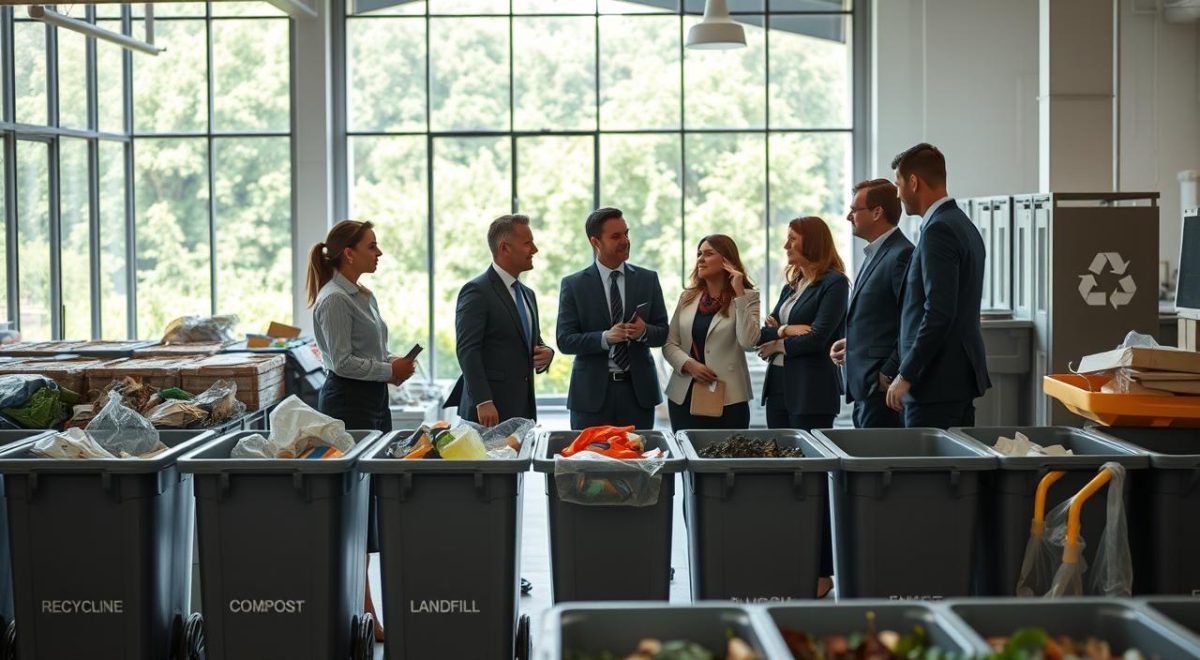
Commercial organisations now demand greater visibility from disposal providers.
Pricing transparency, accurate reporting, and reliable collections have become top priorities when selecting a contractor. Companies also want detailed sustainability data to support environmental reporting obligations.
Reliable reporting systems help businesses measure recycling performance and identify opportunities for improvement.
| Business Priority | Why It Matters |
|---|---|
| Transparent pricing | Prevents hidden disposal costs |
| Reliable collections | Reduces operational disruption |
| Sustainability reporting | Supports ESG compliance |
| Flexible services | Adapts to changing waste streams |
Recycling Technology Is Becoming Smarter
Modern recycling facilities increasingly use artificial intelligence and automated sorting systems.
Advanced scanners can now identify plastics, metals, paper, and electronic components with remarkable accuracy. This improves material purity and reduces contamination rates.
Automation also increases processing speeds while lowering long-term operational costs.
Illegal Fly-Tipping Continues to Affect Local Communities
Fly-tipping remains a serious issue across urban and rural areas. Roadsides, parks, construction sites, and countryside locations are frequently targeted by illegal dumping activities.
Local councils spend millions every year clearing abandoned rubbish. Besides environmental damage, fly-tipping creates health risks and harms public spaces.
Stronger penalties and public awareness campaigns aim to reduce illegal disposal practices nationwide.
Recycled Aggregates Are More Popular Than Ever
Recycled aggregates have become a core component of sustainable construction.
Crushed concrete, reclaimed asphalt, and reused stone materials help reduce the need for virgin resource extraction. Many infrastructure projects now rely heavily on recycled inputs.
This trend lowers transportation emissions while supporting more environmentally responsible building practices.
Packaging Waste Continues to Rise
Online shopping growth has significantly increased cardboard, plastic film, and packaging waste across Britain.
Although many materials are technically recyclable, excessive packaging remains a concern for both consumers and regulators.
Retailers are under growing pressure to reduce unnecessary packaging and improve recyclable alternatives.
Investors Are Watching Sustainability Performance Closely
Environmental performance is now a major consideration for investors and stakeholders.
Businesses with poor waste handling practices may face reputational damage, reduced investment opportunities, and regulatory pressure.
Meanwhile, organisations with strong sustainability strategies often gain competitive advantages and stronger public trust.
Local Authorities Face Growing Collection Challenges
Councils continue balancing rising operational costs with increasing waste volumes.
Urban population growth, changing consumer habits, and stricter environmental targets place additional pressure on local collection systems.
Some regions are expanding separate food waste collections and introducing improved recycling infrastructure to meet future requirements.
Waste-to-Energy Facilities Are Expanding
Waste-to-energy plants convert non-recyclable material into electricity and heat. These facilities help reduce landfill dependence while generating usable energy.
However, environmental experts continue debating the long-term sustainability of incineration compared to higher recycling targets.
The future likely involves a balanced combination of recycling, reuse, and energy recovery technologies.
| Waste Stream | Main Disposal Trend | Sustainability Impact |
|---|---|---|
| Construction debris | Recycling & reuse | Reduces landfill demand |
| Food waste | Composting & digestion | Cuts methane emissions |
| E-waste | Specialist recovery | Recovers valuable metals |
| Household rubbish | Mixed collection systems | Improves recycling access |
Sustainability Is Becoming a Competitive Advantage
Environmental responsibility is no longer optional for many organisations.
Customers increasingly prefer companies that demonstrate greener operations, responsible disposal practices, and transparent environmental reporting.
As regulations continue evolving, sustainable waste strategies will likely become a standard requirement across nearly every industry.
Businesses that adapt early may benefit from:
- Lower disposal costs
- Stronger customer trust
- Better compliance performance
- Improved operational efficiency
- Reduced environmental impact
The Future of Waste Management in Britain
The coming years will likely bring major changes to how materials are collected, processed, and reused nationwide.
Several trends are expected to shape the future:
- Greater investment in automated recycling facilities
- Expansion of food waste collection schemes
- Stricter producer responsibility regulations
- Increased use of recycled materials in manufacturing
- Growth of repair and refurbishment industries
Technology, legislation, and consumer behaviour will continue driving transformation throughout the sector.
Conclusion
Britain’s waste landscape is evolving rapidly as sustainability becomes central to both business strategy and public policy. Rising e-waste volumes, growing construction debris, and increased packaging consumption continue creating major environmental challenges.
At the same time, innovation in recycling technology, smarter recovery systems, and circular economy models are helping reduce landfill dependence and improve resource efficiency.
Understanding these trends allows businesses and households to make more informed decisions about disposal, recycling, and sustainability practices. As regulations tighten and environmental expectations grow, responsible waste management will remain essential for long-term economic and environmental resilience.
 CALL NOW