
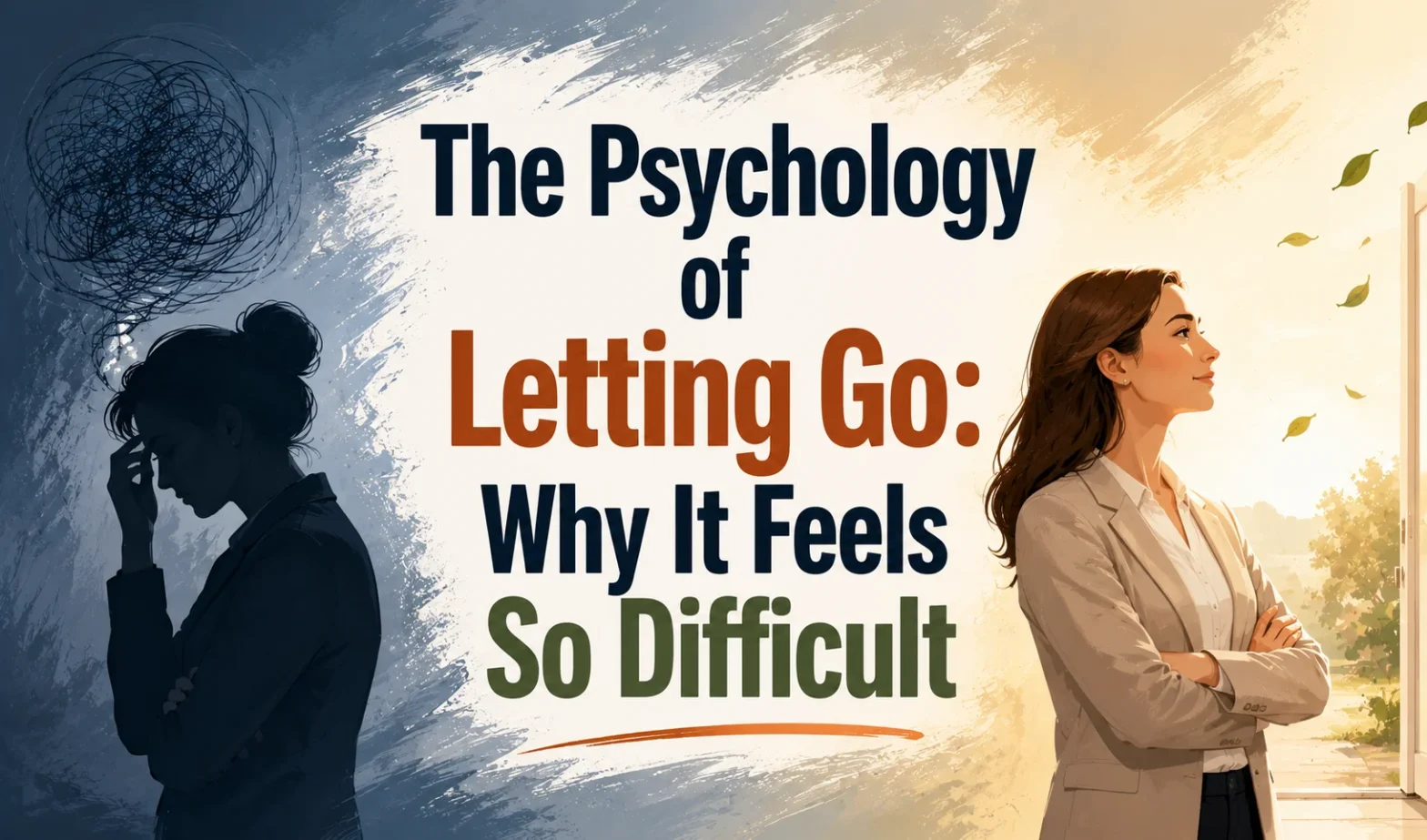
Many of us find it challenging to release items we no longer need. Our belongings often hold deep emotional value, representing memories or aspirations. This attachment can make clearing our space a deeply personal struggle.
Extreme minimalist Fumio Sasaki suggests every object in our home tells a story. These narratives help us gain a sense of purpose and identity. Listening to what our possessions say about our lives can be revealing.
Research highlights the practical cost of holding onto too much. A survey by the National Association of Productivity and Organising Professionals found the average person spends one year looking for lost things. This wasted time adds unnecessary stress.
When our environment becomes disorganised, it can negatively affect our mental and physical wellbeing. The resulting mess may contribute to feelings of anxiety and lower overall happiness. Addressing these habits is crucial for a healthier life.
This article explores how the process of decluttering is not just a chore but a path to personal growth. We will look at methods from experts like Marie Kondo to help manage your house and find joy. Our aim is to provide resources and support for this journey.
Key Takeaways
- Understanding why we hold onto items is the first step towards change.
- Every possession in our home can carry a personal story or meaning.
- Disorganisation leads to significant time loss searching for misplaced belongings.
- A disorganised space can impact both mental and physical health.
- Releasing unneeded objects is a powerful step for personal development.
- Expert methods can transform tidying from a duty into a source of joy.
- Practical support is available to help manage this process effectively.
Emotional Bonds and the Stories Behind Our Belongings
Every object in our home can serve as a tangible link to a specific memory or period in our lives. Our possessions are rarely just stuff. They are physical anchors for our personal stories and emotional experiences.
How Objects Reflect Identity and Memories
Our belongings often act as extensions of who we are. A favourite chair or a collection of books can define us. We attach powerful feelings to these items, making them hard to release.
This connection isn’t always positive. Objects can hold a heavy, negative charge. This is common after a difficult relationship ends. A gift from that time may trigger stress rather than joy.
Recognising these stories is the first step. It allows for more intentional choices about what stays. This process directly supports better mental health.
The Impact of Nostalgia on Decluttering
Nostalgia makes clearing out feel like a personal loss. We fear discarding a part of our history. This feeling can trigger anxiety or a low mood.
Focusing on the benefits of decluttering helps manage this stress. More physical space leads to clearer mental space. It creates room for new, positive habits.
This shift helps us support our family in a calmer environment. The goal is a house filled only with items that spark true happiness.
Embracing Letting Go Psychology Clutter
For some, the act of clearing out is hindered not by sentiment but by a diagnosed condition affecting decision-making. Hoarding disorder, which affects about 2.5% of people, was officially recognised as a distinct psychiatric condition in 2013.
Understanding Emotional Attachments to Possessions
This condition demonstrates how intense brain activity can make releasing items incredibly difficult. It often requires professional therapy and support to manage effectively.
This emotional holding-on often manifests as persistent worry. If not addressed, it can contribute to feelings of anxiety and depression, impacting overall mental health.
How Our Space Mirrors Our Inner State
Our homes often act as a reflection of our inner world. A cluttered environment can make us feel overwhelmed and decrease our sense of happiness.
Research shows one-third of people over 70 have not thrown out any possessions in a year. This physical stagnation can mirror emotional stagnation.
Addressing a scarcity mindset is key. It allows us to create a peaceful home and improve our mental health through clearer physical and mental space.
Practical Strategies for Decluttering Your Home
Effective tidying strategies can turn the overwhelming task of clearing out into a manageable and rewarding journey. Implementing a clear plan helps you reclaim your space and improve your overall mental health.

Steps to Identify and Release Emotional Triggers
Begin by setting boundaries with your belongings. Ask if each item supports your current life. This practice reduces stress and prevents anxiety from building up.
Recognising emotional triggers is key. If an object brings negative feelings, it may be time to let it go. This step is crucial for long-term happiness in your home.
Using the KonMari Method and Other Approaches
The KonMari method, popularised by Marie Kondo, encourages keeping only items that spark joy. This approach transforms your environment and mindset.
Other resources offer valuable support. Margareta Magnusson’s book, ‘The Gentle Art of Swedish Death Cleaning’, provides a compassionate framework for simplifying.
Incorporating Mindful Consumerism into Daily Life
Prevent new clutter by adopting mindful buying habits. Ask yourself if a new purchase is truly needed before bringing it into your home.
Teaching children these skills is powerful. The author’s ten-year-old, raised with decluttering practices, now exhibits strong decision-making and gratitude for their possessions.
Regular decluttering maintains a tidy house. It can lower feelings of depression and boost your health. This proactive habit ensures your surroundings always serve you well.
Mindfulness and the Benefits of a Clutter-Free Environment
Scientific research provides a compelling reason to prioritise a tidy space: it measurably lowers our body’s stress response. Studies indicate that women who describe their homes with positive language have lower levels of cortisol.
This link shows our surroundings directly impact our mental health. A calm environment fosters a sense of control and peace.
Stress Reduction and Mental Clarity Through Decluttering
A clear home promotes sharp mental focus. This clarity is essential for maintaining daily happiness and overall health.
Reducing visual stress in your living area can help quiet a busy mind. This process is a powerful tool for improving emotional wellbeing.
It allows you to reclaim your space for what truly matters. You create room for people and activities that spark genuine joy.

Creating Releasing Rituals and Gratitude Practices
Mindfulness transforms sorting from a duty into a meaningful ritual. Pay close attention to your feelings about each object.
Thank an item for its service before you part with it. This gratitude practice helps process emotions tied to possessions.
Such rituals support significant personal growth. They foster a calmer home that benefits your whole family.
This mindful approach to decluttering builds lasting positive habits. It ensures your surroundings actively support your mental health and happiness.
Conclusion
Your possessions should serve your life, not the other way around. This shift in perspective is truly transformative. It paves the way for greater happiness and a more intentional existence.
By understanding our attachments, we create valuable space. This allows room for new experiences and meaningful personal growth. The positive impact extends to your whole family.
Start your journey today in one small area of your home. You will quickly notice the benefits. A clearer mind and lower stress are powerful rewards for your mental health.
Lasting contentment is not measured by the number of items you own. It is found in the quality of your life and the joy you cultivate. Embrace the freedom of a peaceful, organised environment. Each step builds a foundation for improved well-being.
 CALL NOW