
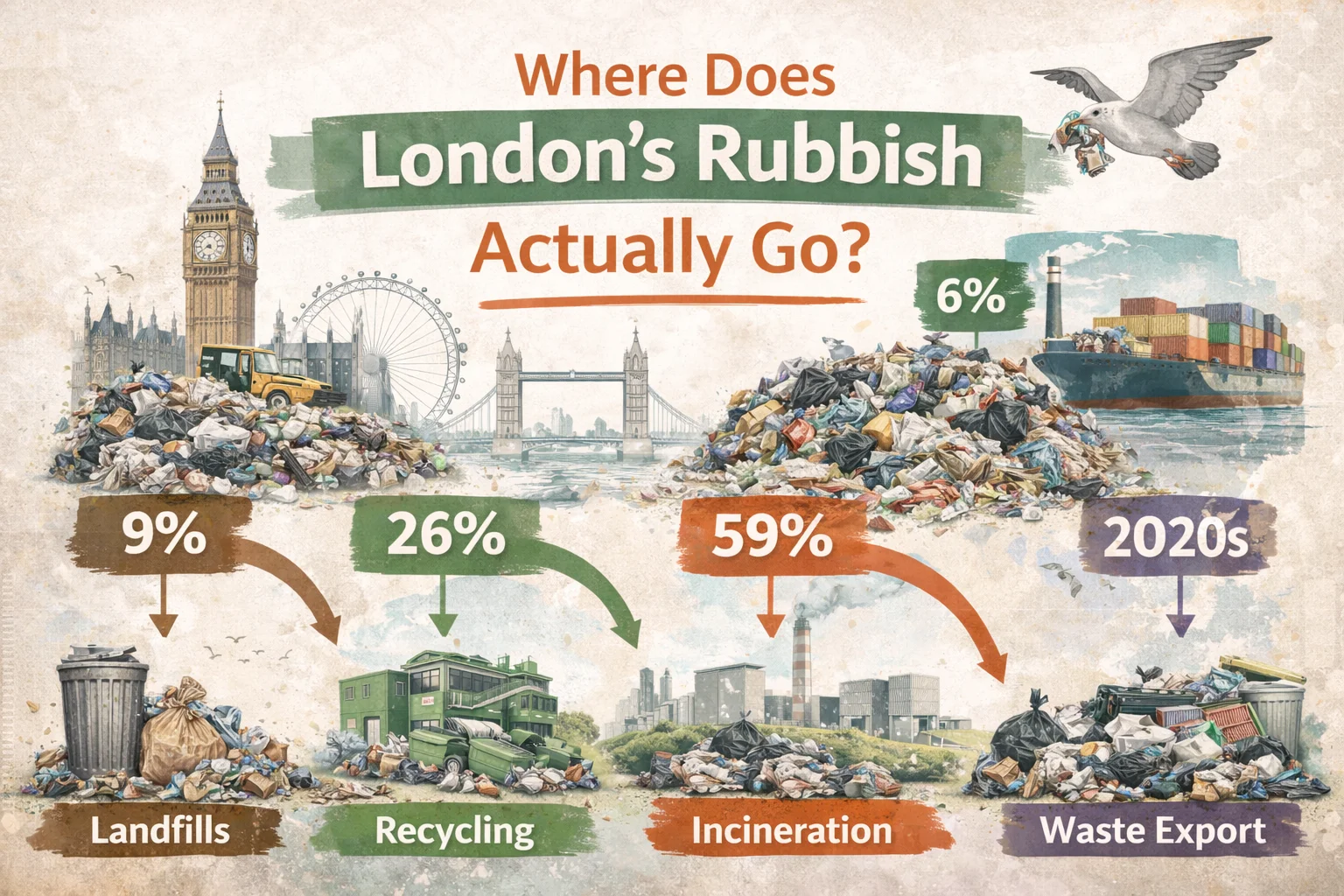
Out of sight, out of mind is a myth. Once items leave the bin, the capital follows a clear, multi-step process that affects the environment and the city’s future.
Collections vary by borough and by type of waste. Households usually separate mixed recycling, food collections and general rubbish, while electricals and other items follow separate routes.
The typical pathway is collection, checks, sorting, treatment and final destinations. Key sites include materials recovery facilities, anaerobic digestion plants for food and energy-from-waste plants such as SELCHP and Edmonton EfW.
River transfer points and barging cut lorry journeys and lower emissions. Landfill is largely avoided because landfill gas, especially methane, is far more potent than carbon dioxide over time.
This article is a practical guide to what happens now, what can go wrong through contamination and why correct bin use matters for the environment.
Key Takeaways
- The route from bin to final site varies by borough and waste type.
- Recycling, food waste and general rubbish follow distinct treatment paths.
- Energy-from-waste plants and river transfer reduce landfill reliance.
- Contamination can derail recycling and harm the environment.
- Proper sorting at home helps the city reach a cleaner future.
How London’s waste process works today
Every bin has a journey: from the kerb to weighbridges and onward to treatment sites.
Collections start at kerbside or communal bins. Crews follow scheduled rounds and haul loads to transfer points or directly to processing sites. Each vehicle is recorded and its load registered for audit.
How household collections are weighed and inspected
Trucks pass over a weighbridge so councils can log weight in tonnes. Recording weight helps report performance, plan capacity and track collection targets.
Why sorting matters and when loads are rejected
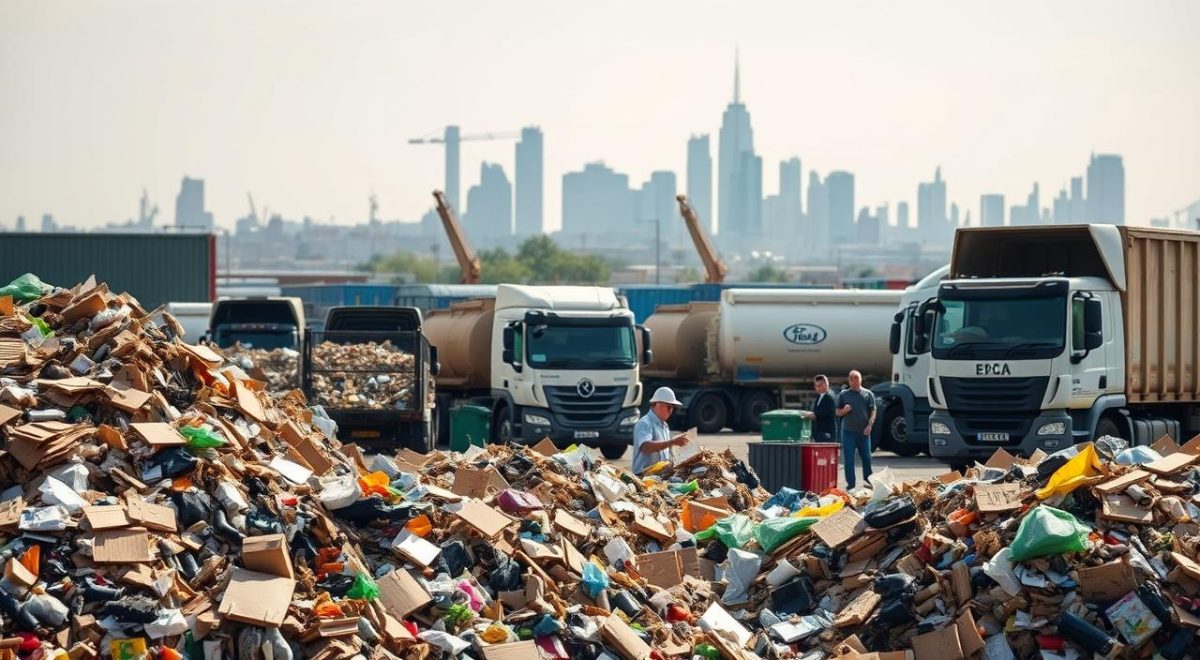
At a Southwark materials recovery facility, staff tip mixed recycling for a visual check. Contamination such as food residue or polystyrene can lead to a load being diverted to EfW instead of recycling.
End markets: UK first, exports when needed
Separated streams become traded materials. There is a UK‑first preference for recovery, but exports still happen when quality, demand or price require it — for example paper and card moving to mills abroad.
- Kerbside pickup → weighbridge → inspection.
- Good quality streams → reprocessors; contaminated loads → treatment at EfW.
- Weights in tonnes are vital for reporting and planning.
| Stage | Typical action | Record |
|---|---|---|
| Collection | Transport to transfer or MRF | Weight (tonnes) |
| Receiving | Visual inspection | Quality check |
| Dispatch | Sent to UK or export market | Destination site |
where does london rubbish go when you recycle? Mixed recycling and materials recovery facilities
When clear recycling bags reach the Southwark recovery facility, staff first run a quick visual audit to protect overall material quality.
The load is tipped and inspected. Contamination — wrong items or dirty goods — can mean the whole load is diverted to EfW rather than recycled. That single check protects downstream processes and market value.
Bag splicer and pre-sorting
A bag splicer safely opens clear bags so contents can spill onto the conveyor. Manual pre-sorting removes bulky or hazardous items before machines begin.
How separation works
Rotating drums sort small items and film. Wind sifters blow out light plastic. Magnets pull steel cans. Infra-red sensors identify plastic bottles and paper for further sorting.
| Equipment | Targets | Outcome |
|---|---|---|
| Rotating drums | Loose paper/card | Paper stream |
| Magnets | Steel cans | Metal stream |
| Infra-red | Plastic bottles | Plastic stream |
Material streams and onward markets
The main streams are paper, cardboard, plastic bottles, glass bottles and jars, steel cans and aluminium cans. Sorted loads are baled for transport to paper mills, glass and metal smelters, mostly in UK sites; exports happen when demand or quality require it.
Textiles must not enter mixed recycling. They jam machinery and contaminate streams. Use textile collections instead.
Micro recycling centres also boost quality by taking bottles, cans and mixed paper separately. Around ~30,000 tonnes a year are collected for recycling and composting, so weight and quality checks matter for the whole supply chain.
Food waste and organic matter: turning scraps into energy and fertiliser
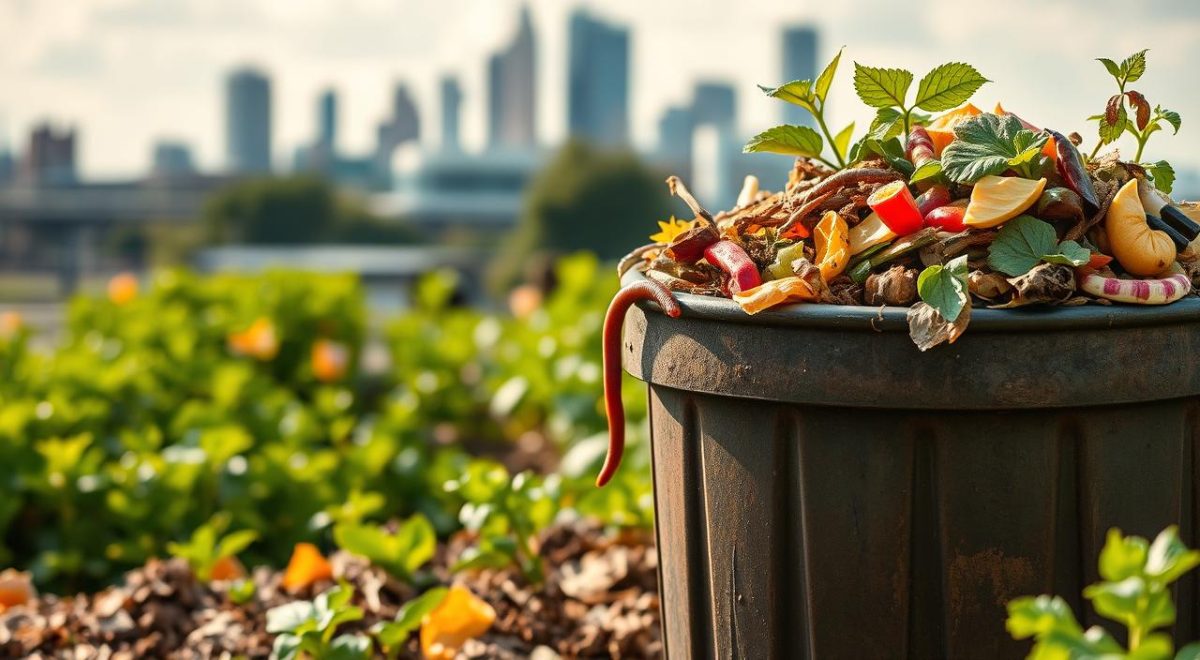
Separate collections for food waste keep organic matter out of general refuse and boost recovery.
Households place food in dedicated caddies so the stream stays clean. This reduces contamination of recycling and improves the value of collected material.
The journey begins with kerbside pickup or communal bins. Crews deliver to a transfer hub, then loads move to an anaerobic digestion plant for treatment.
How anaerobic digestion plants treat food
Material is checked, shredded and fed into sealed tanks. Microbes break down organic matter in a controlled process, producing biogas and a nutrient-rich residue.
What the plant produces and why it matters
Biogas — mainly methane with some carbon dioxide — is captured and used to generate electricity and heat on site or fed to the grid. The remaining biofertiliser is spread on farmland as a soil improver.
| Stage | Action | Output |
|---|---|---|
| Collection | Kerbside caddies and communal bins | Clean food waste |
| Processing | Shredding and sealed digestion | Biogas (methane + carbon dioxide) |
| End use | Energy generation and agronomic use | Generate electricity, provide heat, produce fertiliser |
Capturing methane and carbon dioxide avoids potent greenhouse emissions. Using captured gas displaces fossil fuel use and helps the environment.
Everyday choices matter. Only raw food and peelings should go in the caddy — no plastics or packaging. Cleaner inputs improve plant performance and increase the benefits to local farms and the wider community.
Household rubbish, energy recovery and what’s left: incineration, metals and ash
Most non-recyclable household waste is routed to controlled energy recovery sites rather than long-term burial.
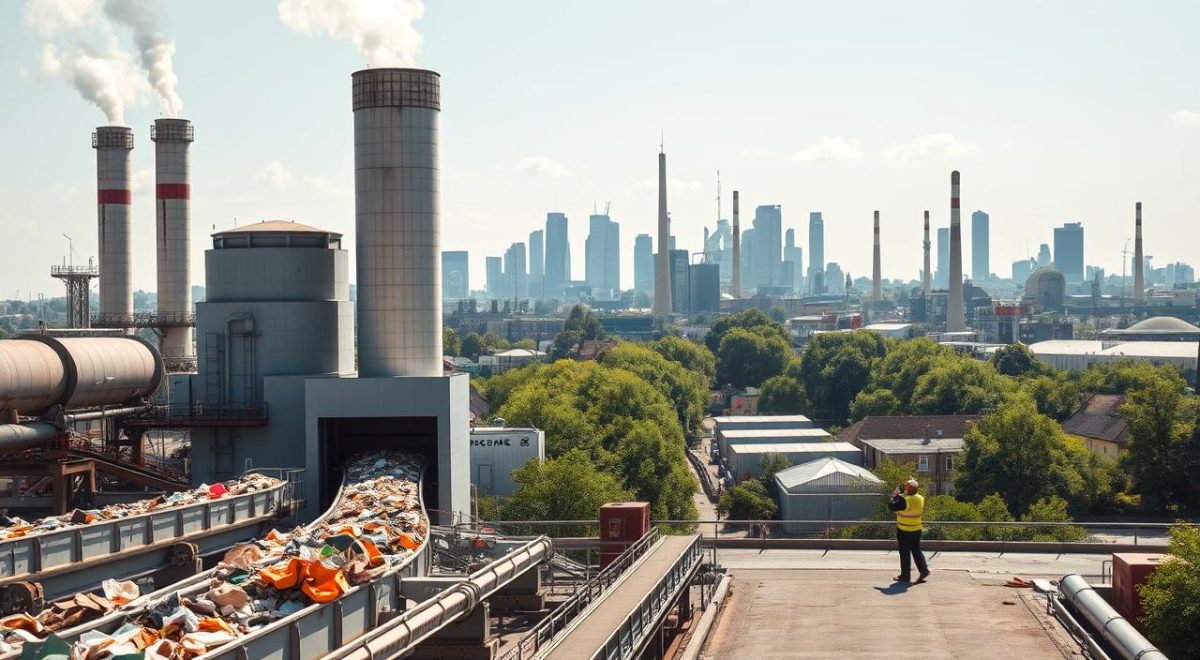
South East London’s SELCHP in Deptford burns mixed material to produce power for roughly 50,000 homes. North London boroughs — Barnet, Camden, Enfield, Hackney, Haringey, Islington and Waltham Forest — send loads to the Edmonton facility in Enfield.
How an EfW plant generates power
Burned waste heats a boiler, creating steam. Steam spins turbines that drive generators to make electricity. Modern plants also clean flue gases to meet strict emissions controls and protect the environment.
Recovering metals and making construction products
After combustion, bottom ash is processed to extract ferrous and non‑ferrous metals for recycling. The remaining ash is treated and used as secondary aggregate in road building and other construction products.
Logistics, regional sites and special cases
Riverside wharves such as Smugglers Way, Cringle Dock, Walbrook Wharf and Northumberland Wharf move waste by barge to reduce lorry miles and carbon. Some loads travel to regional plants like Severnside or Lakeside EfW for treatment.
| Aspect | EfW | Landfill |
|---|---|---|
| Climate impact | Lower long‑term carbon; energy produced | Produces methane; higher greenhouse effect |
| By‑products | Bottom ash, metals recovered | Long‑term gas and leachate |
| Logistics | Wharves and transfer sites | Large disposal sites |
Electrical items, fridges and hazardous components need separate collection and special treatment to capture gases and recover metals. Using the correct bins keeps the system efficient and improves recovery for the whole city.
Conclusion
A simple choice at home starts a clear chain: mixed recycling is sorted at MRFs, food waste heads to anaerobic treatment, and residual rubbish is sent to controlled energy recovery instead of long burial.
Quality matters. Contamination can turn valuable materials into unusable material for recovery, so keeping items clean protects markets and the city’s processing sites.
Practical next steps: check your council guidance, keep recycling dry and loose, use caddies for composting and take textiles and electricals to the correct route.
Small habits — rinsing glass and bottles, and using the right bins — help stabilise markets and improve plant efficiency.
Better infrastructure plus steady participation shapes the future. Cleaner streams now mean more value recovered for the future and a healthier environment for all.
 CALL NOW