
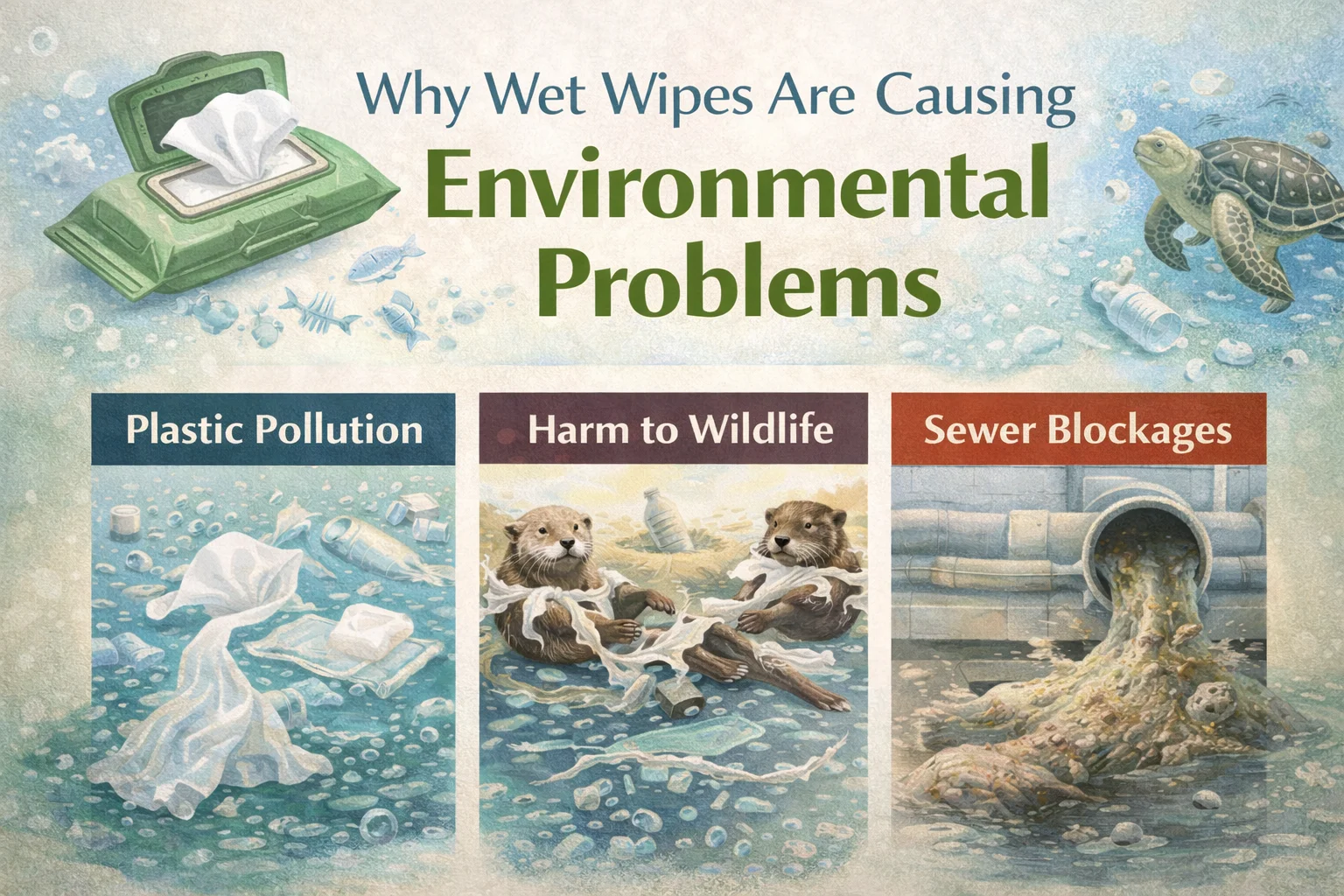
Disposable cleansing products have become a big issue across the UK. In 2023, consumers bought about 32 billion items, with roughly 12 billion containing plastic. That scale helps explain why more than 11 billion are thrown away each year and why litter from these goods was recorded on 72% of British beaches.
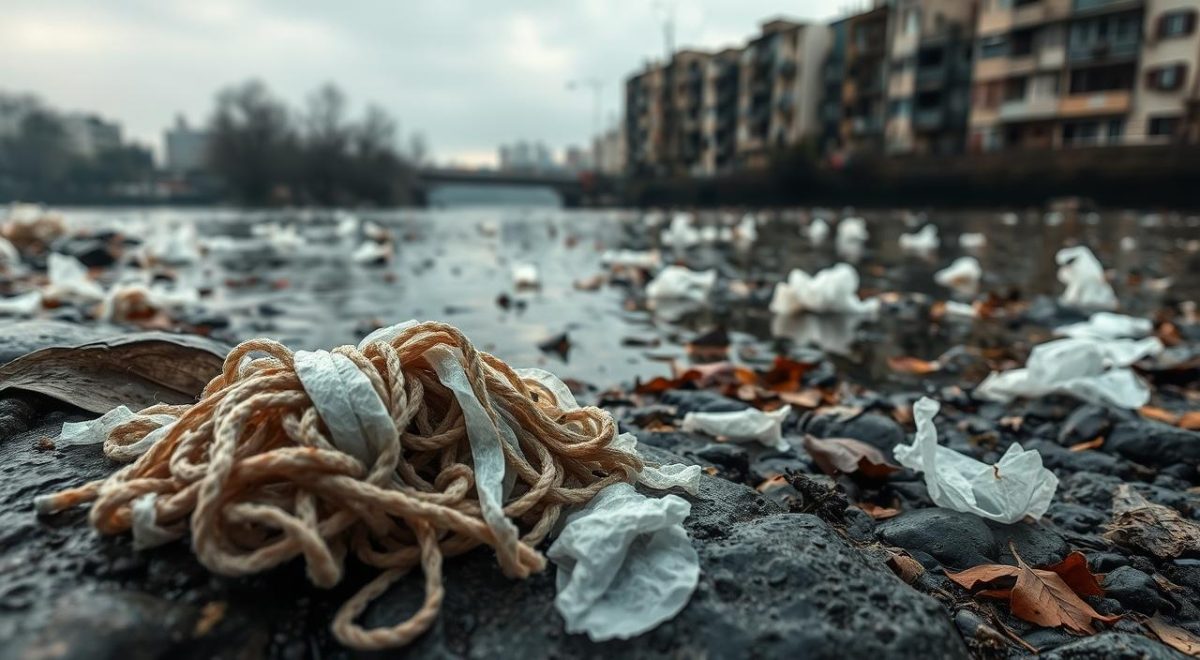
The term wet wipes pollution covers visible litter on rivers and coasts and hidden damage inside sewer systems and treatment works. Convenience, heavy marketing that promotes “flushable” labels, and rising sales have driven widespread use. Many people still flush items, or bin them incorrectly, so they travel from homes into wastewater networks and, at times, into waterways during overflows or faults.
The stakes are clear: these products can persist and fragment over years, adding to plastic pollution and raising questions about microfibres and long-term health impacts. This article will track recent UK policy moves, water-industry pressure, and new scientific evidence, then explain how the ban changes things and whether “plastic-free” claims really reduce harm.
Key Takeaways
- High sales and convenience have driven widespread use and litter across the UK.
- Many items end up in sewers, causing blockages and sewage releases to waterways.
- Plastic components mean long persistence and contribution to plastic pollution.
- Emerging evidence raises concerns about microfibres and environmental health impacts.
- The article will examine recent UK policy, industry responses, and what the ban may achieve.
Plastic wet wipes ban: what’s changed in the UK and what happens next
Legislation signed in 2025 will bar the retail sale of plastic-containing cleansing cloths in England from 2027. The government framed the move as a necessary step to cut persistent plastics that clog sewers and burden treatment works.
Timetable and scope across the UK
England’s law is due to come into force in 2027 and is intended to align approaches across the UK. That timeline gives companies time to adjust product material and labelling.
What the ban does not cover
The ban targets the sale of items that contain plastic. It does not stop UK manufacture or export, and sales can continue behind the counter in pharmacies and via online channels. Businesses, such as hotels, may buy without the same retail limits.
Medical exemptions and accountability
Medical professionals argued some non-plastic alternatives soak up disinfectants, creating patient-safety risks; policymakers accepted narrow medical exemptions on that fact. Water companies and campaigners warn these loopholes limit impact.
- Producers face pressure to fund fixes; Sir Jon Cunliffe urged a “polluter pays” approach so companies help cover clean-up costs.
- Next steps are likely: tighter manufacture controls, stronger labelling and clearer enforcement if blockages persist.
Wet wipes pollution: how wipes block sewers, drive sewage incidents and damage waterways
When non-paper items enter a toilet, they rarely behave like toilet paper inside the sewer network. They keep their shape and form a strong mesh that resists breaking apart.
As fats and oils in drains cool, they cling to that mesh. Over time those layers grow into fatbergs that can clog entire sewer runs.
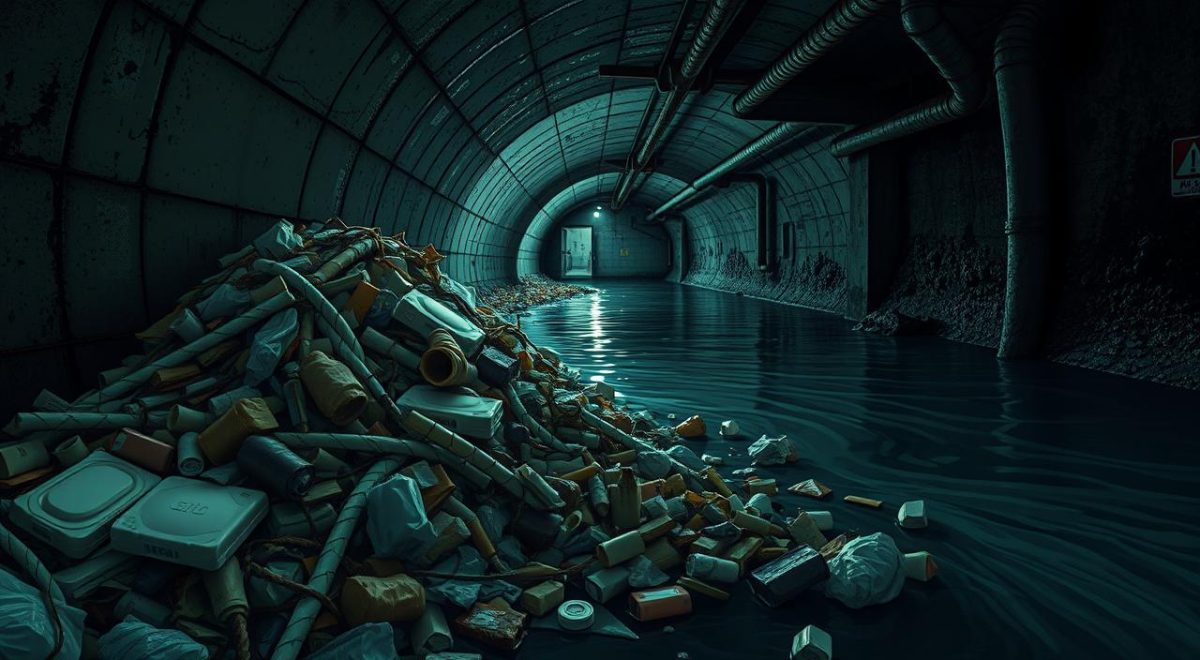
Clearing these blockages is costly. Water companies estimate around £200m a year is spent on removal and repairs. That cost feeds into bills and strains the whole system.
One west London removal weighed as much as eight double-decker buses and took more than a month to break down. At Minworth treatment works, Severn Trent reports about 10 tonnes a day arrive, serving over two million people. Staff call it a daily nightmare.
| Impact | Example | Consequence |
|---|---|---|
| Blockages in sewers | Mesh-like items trap fat | Local flooding and maintenance costs |
| Treatment works disruption | Screening out non-flushables | Operational delays and hygiene risks for staff |
| Sewage incidents | Overflows carry material | Contamination of rivers and coasts |
When blockages force overflows, material and contaminants reach rivers and coastal water. That links a single flush to wider environmental harm.
Practical takeaway: follow the “3Ps” rule — pee, paper and poo — to prevent blockages and reduce sewage incidents without blame, focusing on simple prevention.
Are “flushable” and plastic-free wipes really better for the environment?
Many products labelled “flushable” were engineered for strength, not rapid decay. Manufacturers design these materials to hold moisture and resist tearing. That property helps use but hinders sewer safety.
Why they don’t behave like toilet paper in water
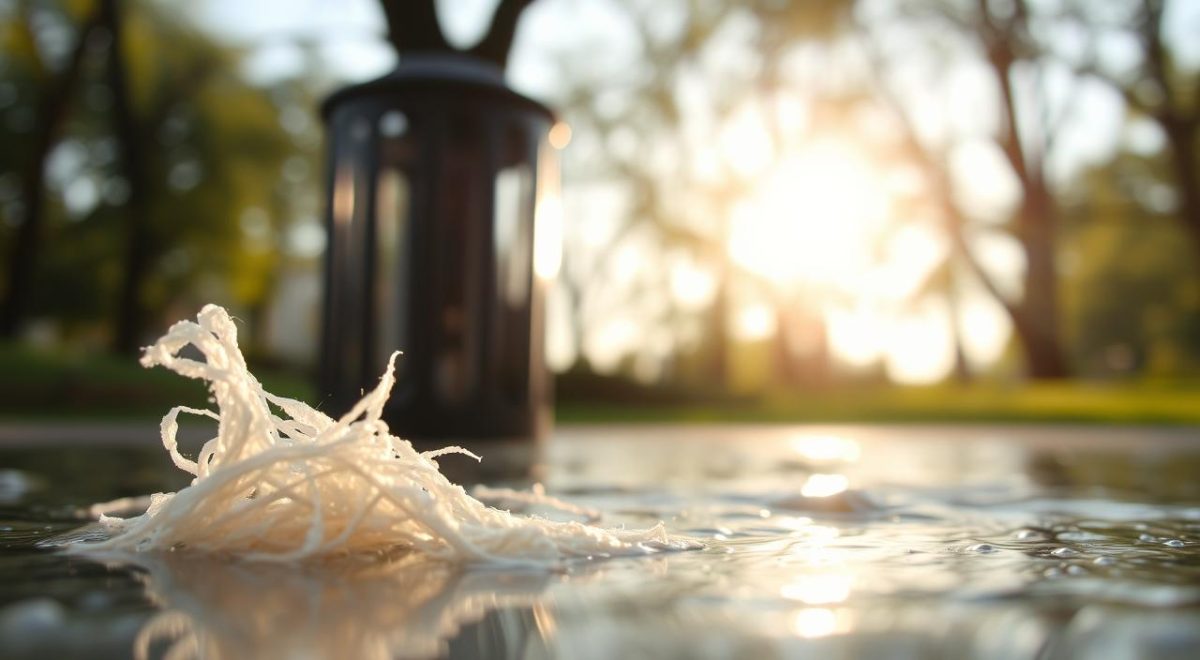
Testing at UEA shows these items keep structure and break into tangled fibres rather than dissolving. The fibre entanglement slows disintegration and lets fats cling to the mesh.
Disintegration timelines in real conditions
Independent research found many non‑plastic products can last months to one or two years in rivers or on beaches. By contrast, toilet paper fragments in weeks to months. Some plastic products persist for hundreds or more years.
Labelling, messaging and public behaviour
The “Fine to Flush” scheme caused confusion and was replaced by clearer “Bin the Wipe” messaging after government testing found some non‑plastic items failed disintegration tests.
| Claim | What tests show | Practical effect |
|---|---|---|
| “Flushable” | Breaks into fibres, not dissolves | Sewer blockages and fatberg risk |
| “Plastic‑free” | May persist months to years | Can fragment into microfibres |
| Label clarity | Variable standards between manufacturers | Public confusion; binning reduces risk |
Microfibres and chemicals
Fragmentation releases hundreds of thousands of tiny fibres. These reach rivers, enter the food chain and may carry chemicals used in textiles, such as antibacterials or dyes. Evidence shows presence in shellfish and fish, but health impacts need more study.
Remaining gaps
Transparency from manufacturers is uneven and testing standards vary. More independent trials are needed before “biodegradable” labels can be trusted as proof of environmental safety.
Conclusion
Fixing damage from disposable cleansing cloths will take laws, clearer labels and behaviour change.
The core finding is simple: product design, disposal choices and system limits combine to create this problem. Bans on plastic-containing items are a start, but exemptions and continued supply routes mean the issue will persist for years.
For the environment and water networks, the safest option remains to bin a wet wipe rather than flush it. Regardless of “flushable wipes” claims, consumers should follow labelling that tells them not to flush.
Real change means better materials, honest product labelling and a producer-responsibility model so companies help fund fixes. That will cut plastic pollution, reduce microfibre impact on rivers and lower long-term risks to wildlife and health.
Practical bottom line: stick to the “3Ps”, dispose of single-use products in the bin, and support clearer rules and mandatory “do not flush” labelling.
 CALL NOW