

January decluttering sounds like the perfect New Year goal, yet for many households it becomes the month where motivation disappears fastest. Homes often feel fuller after the festive season, energy levels are lower, and the pressure to “start fresh” can make even small tasks feel overwhelming.
Instead of aiming for perfection, this guide focuses on realistic, low-pressure decluttering that fits winter energy levels. You’ll learn why January feels so difficult, how small wins improve mood, and how to create simple systems that stop clutter creeping back in.
This is not about empty rooms or extreme minimalism. It’s about making your home easier to live in — one short session at a time.
Key Takeaways
- January decluttering feels harder because homes are fuller and energy is lower
- Small, timed tasks reduce decision fatigue and boost motivation
- Clear rules make it easier to decide what stays and what goes
- Focusing on high-impact areas delivers fast visible results
- Simple storage habits prevent clutter returning
Why January Feels So Hard for a Home Reset
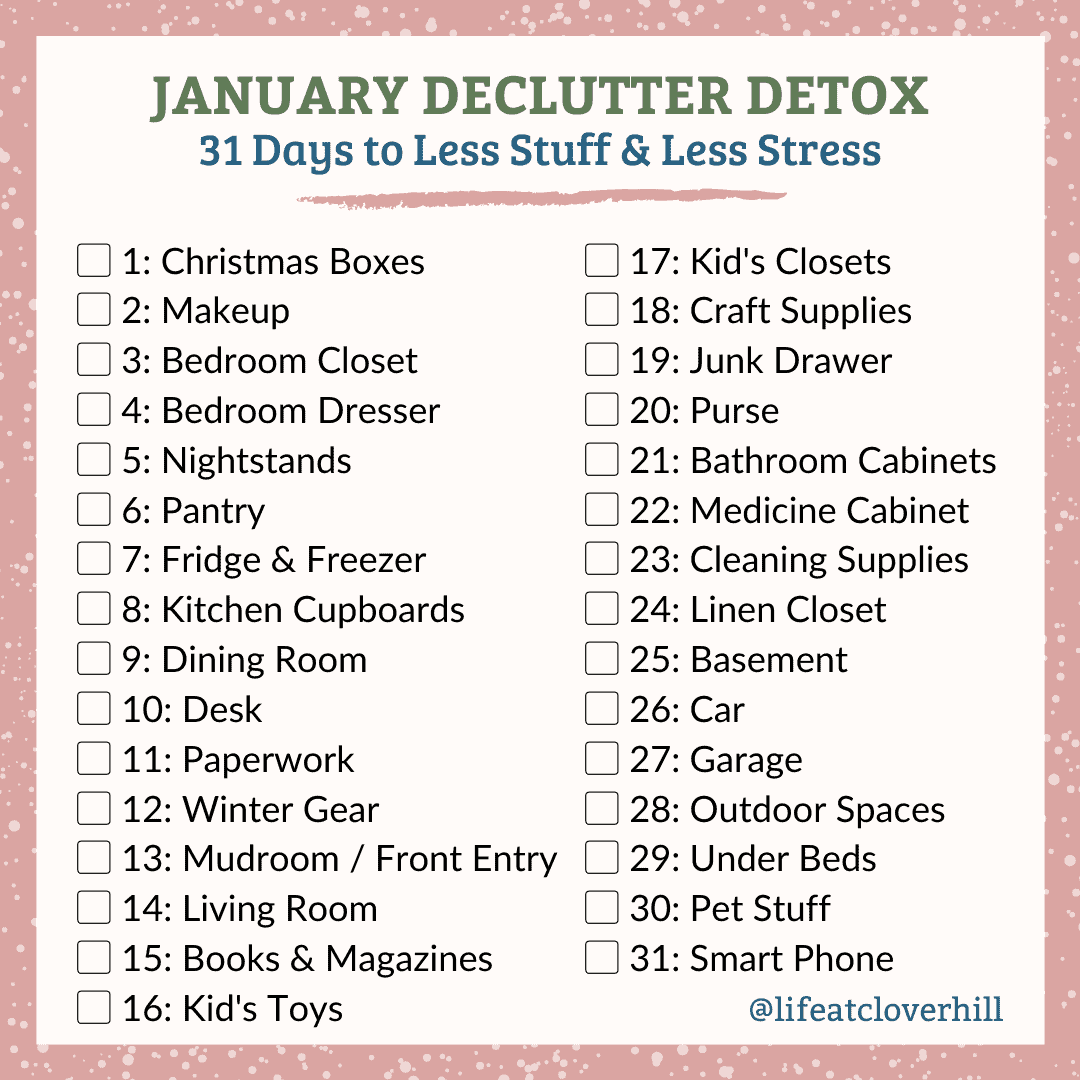
January is often imagined as a clean slate, yet many homes look messier than they did in November. The mismatch between expectations and reality is what makes motivation drop so quickly.
Post-holiday overload and visual noise
During the festive period, items arrive faster than they leave. Decorations, packaging, gifts, extra food, and seasonal extras all compete for space. As a result:
- Surfaces become crowded
- Cupboards gain duplicates
- Storage zones lose their logic
Visual clutter increases mental load. Even when nothing is “wrong,” the home feels unsettled.
The pressure to transform everything at once
January often comes with an unspoken rule: this is when you fix your life. That expectation creates pressure rather than momentum. Short days and cold weather already reduce energy, so the idea of an instant reset can feel exhausting before you even start.
A successful January decluttering plan works with winter, not against it.
Time anxiety and the “decluttering trap”
Many people avoid starting because they fear losing hours to one drawer or cupboard. Decision fatigue is real — the more choices you face, the slower and heavier the task feels.
The solution is boundaries: short sessions, simple rules, and stopping on purpose.
How January Decluttering Improves Mood and Mindset

You don’t need a whole weekend to feel better in your space. Small, visible changes often deliver the biggest emotional boost.
Clearing one surface or sorting one drawer creates immediate relief. That progress builds confidence and shifts your mindset from “I’m behind” to “I’m in control.”
Creating space for new routines
Decluttering is not about removing everything. It’s about making space for how you actually live now:
- Easier mornings
- Faster meal prep
- Fewer daily frustrations
When your home supports your routines, stress reduces naturally.
Why taking control of your space reduces stress
Visual clutter constantly competes for attention. Removing it frees mental bandwidth. That’s why even a small tidy can make the entire home feel calmer.
Make It So Easy You Can’t Fail
Motivation grows after action, not before it. The goal is to make starting feel almost effortless.
Use a ten-minute timer — and stop on purpose
Set a timer for ten minutes. When it ends, stop even if you want to continue. This builds trust with yourself and prevents burnout.
Clear one visible surface
Choose a shelf, table, or counter.
- Put away items that belong elsewhere
- Bag donations immediately
- Group loose items for later sorting
Instant visual progress fuels motivation.
Create a simple daily rhythm
One small task per day or every other day keeps momentum without draining energy. Consistency beats intensity in January.
Set up a household drop zone
Designate one tray or hook for keys, post, and daily items. Use one box for donations and choose a fixed day to remove it from the house.
Wardrobe Decluttering Without the Drama

Clothes are emotional, but your wardrobe doesn’t need a full overhaul to work better.
The one-year wear rule
If an item hasn’t been worn in the past year, it’s likely not supporting your current lifestyle. Keep sensible exceptions for special occasions or seasonal needs.
Track what you actually wear
Turn hangers backwards. Flip them when an item is worn. After several months, anything still reversed becomes an easy decision.
Quick wins: socks and underwear
Start with low-emotion items:
- Remove worn or uncomfortable pieces
- Reunite mismatched pairs
- Group items by use (work, casual, exercise)
On low-energy days, choose ten items and decide: keep, donate, recycle — done.
Kitchen and Fridge Decluttering After the Festive Season
The kitchen delivers fast results with minimal effort, making it ideal for January decluttering.
Clear expired food and leftovers
Start with the fridge:
- Remove leftovers you won’t eat
- Check expiry dates on sauces and condiments
- Wipe one shelf for a fresh start
This immediately creates usable space.
Simplify spices and dry goods
Out-of-date spices lose flavour and clutter cupboards. Removing them makes cooking easier and faster.
Reduce duplicates and unused gadgets
If you own multiple versions of the same tool but only use one, let the rest go. Rare-use items can live higher up or leave entirely.
Create simple kitchen zones
Group items by purpose:
- Breakfast items together
- Baking on one shelf
- Snacks in one container
Zoning reduces mess and speeds up daily routines.
High-Impact Kitchen Tasks
| Task | Time | Benefit |
|---|---|---|
| Fridge sweep | 5–10 mins | More usable space |
| Spice check | 10–15 mins | Better cooking flow |
| Remove duplicates | 15–30 mins | Clear cupboards |
| Create zones | 20–30 mins | Faster meal prep |
Home Office and Paper Clutter

Paper feels important, which is why it piles up quietly.
Use a three-folder system
Create folders for:
- Keep
- To scan
- To discard
This avoids rereading everything and speeds up decisions.
Digitise what matters
Scanning key documents reduces physical storage and makes information easier to find.
Reset your desk
Keep only daily essentials within reach. A clear desk improves focus and makes work feel lighter.
Ten minutes can clear a pile or label a folder. Repeat weekly to prevent build-up.
Bathroom Decluttering: Products and Medicines
Bathroom clutter often hides in plain sight.
Check expiry dates first
Expired products are easy decisions. Remove anything past its safe use period, especially cosmetics and skincare.
Sort medicines before you need them
Check dates on essentials so they work when required. Group daily items together and safely dispose of expired products.
Clear under-sink storage
Remove empty or dried-up cleaners. Use small baskets to group what remains and stop the space becoming a dumping zone again.
The Awkward Items: Tech, Toys, and Loose Accessories
These items float between rooms and resist easy categorisation.
Old tech and cables
Back up important data, reset devices, and recycle responsibly. Keep only cables that match current devices.
Toys and hobby items
Sort into:
- Keep
- Rotate
- Donate
Rotation keeps spaces manageable without removing enjoyment.
Accessories and rarely used items
If something hasn’t been used in years, consider selling, donating, or recycling it rather than storing it indefinitely.
Common Awkward Items and What to Do
| Item Type | Action | Time |
|---|---|---|
| Old electronics | Back up, reset, recycle | 15–30 mins |
| Toys | Sort, rotate, donate | 20–40 mins |
| Manuals & boxes | Recycle | 10–15 mins |
| Glassware | Keep favourites only | 10–15 mins |
Sentimental Items and Guilt Clutter
The hardest clutter is emotional, not physical.
A kinder decision filter
Ask one gentle question: Does this support the life I live now?
If yes, keep and display it. If not, choose a respectful exit.
Display, store, or pass on
- Display items that bring daily joy
- Store fragile or seasonal keepsakes neatly
- Pass on items kept out of obligation
Photographing items before letting go preserves the memory without the physical burden.
Conclusion: Progress Beats Perfection in January
January decluttering works best when expectations are realistic. Ten-minute sessions turn overwhelm into action and action into momentum.
You don’t need to finish everything. Each cleared surface, sorted drawer, or labelled box is a win that reduces stress and improves daily life.
Start today with one small area. Build a simple routine. Protect your energy. By the end of the month, your home will feel lighter — and staying organised will feel achievable.
 CALL NOW