
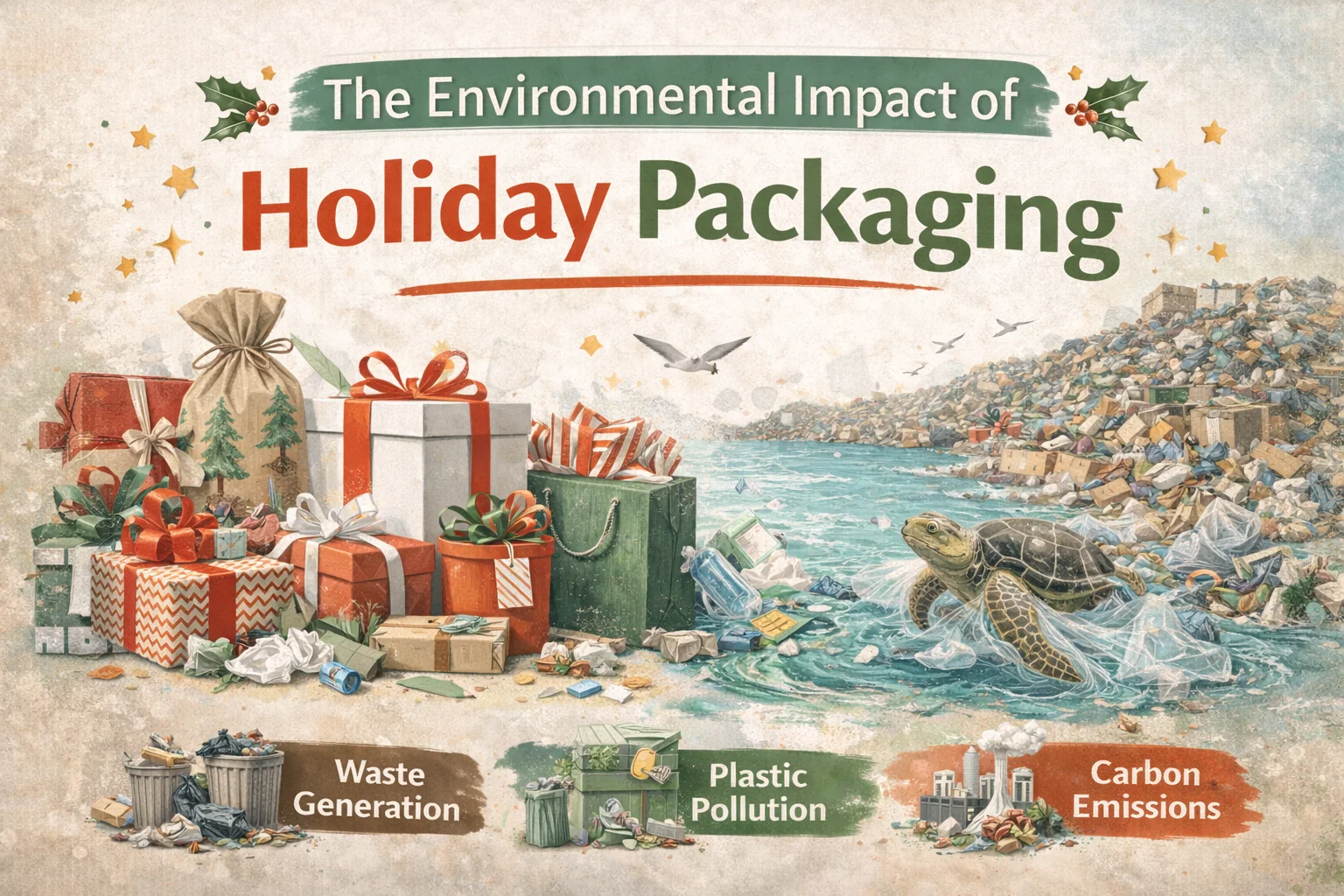
This UK-focused list looks at why festive wrapping and related materials create a clear spike in household rubbish at this time of year.
We define “holiday packaging” here as gift wrap, cards, delivery boxes, plastic film and extra food containers so readers know the scope from the start.
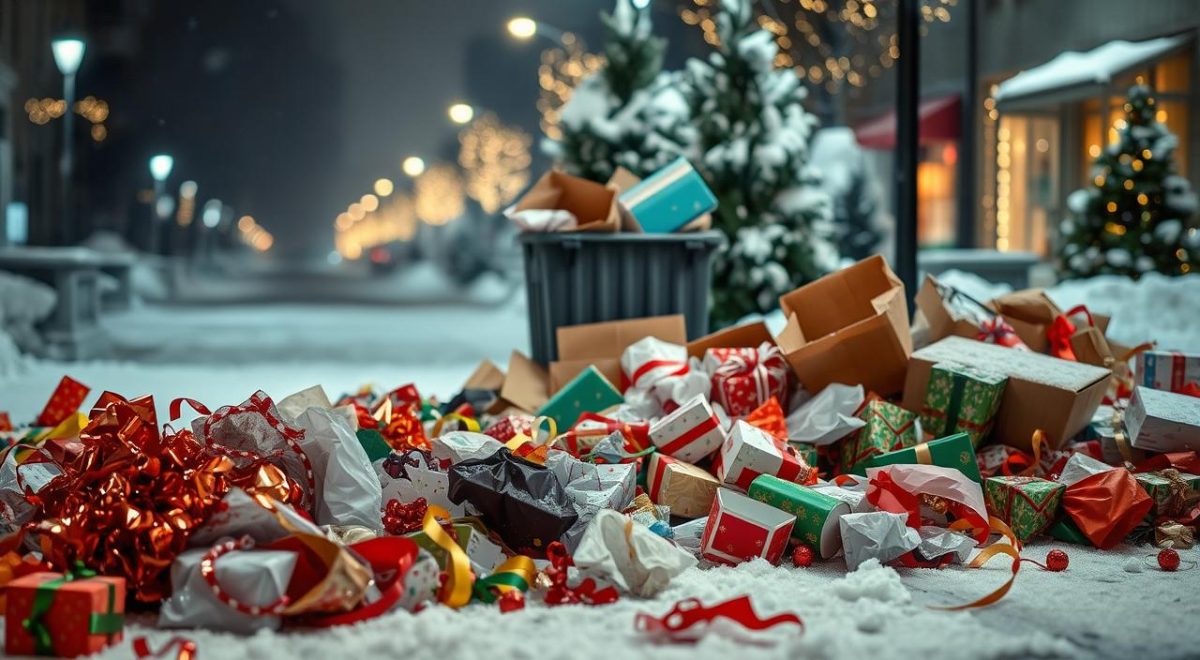
Quick facts: an average UK household adds more than three black bags’ worth of additional refuse, and the country sends roughly 114,000 tonnes of plastic packaging to landfill over the season.
This post blends evidence and practical steps. It will show causes, hotspots, why “recyclable” labels can mislead, links between plastics and health, and smart choices for recycling and reuse.
The aim is simple: help households, renters and families cut excess rubbish while keeping the festive spirit. Readers will find clear actions that reduce pollution and lessen demands on the planet without spoiling traditions.
Key Takeaways
- Festive materials cause a marked rise in UK household rubbish each season.
- “Holiday packaging” covers wrap, cards, boxes, film and food containers.
- UK figures — three black bags per home and 114,000 tonnes to landfill — show the scale.
- Labels can mislead; recyclable does not always mean recycled.
- Practical swaps and simple habits cut pollution and protect the planet.
Why festive packaging is a big environmental problem in the UK
Short-lived presentation materials and extra deliveries cause a big rise in domestic refuse at this time of year. This surge is driven by increased gifting, more online orders and seasonal, limited-edition goods that use extra wrap for looks rather than protection.
UK households generate over three black bags’ worth of festive packaging as a simple benchmark. Those bags commonly contain paper, card, protective fillers, food containers and single-use plastic items. The mix makes household sorting harder and raises rejection rates at recycling centres.
Plastic packaging sent to landfill reaches around 114,000 tonnes over the season. Plastic is light but bulky, and much cannot be recycled via kerbside systems. That persistence means more material ends up in landfill or incineration.
Landfill and incineration both add to pollution and CO2 emissions. Research shows 1kg of wrapping paper can cause over 3kg of CO2 during production, so hidden climate costs add up. Out-of-sight disposal also harms the planet through litter, resource loss and the need for more virgin material next year.
- Drivers: gifting, deliveries, and presentation-led items.
- Pathways: landfill, incineration and occasional recycling rejection.
- Outcome: higher CO2, persistent plastic and greater strain on local services.
This section sets up an item-by-item look at the biggest hotspots and practical steps that actually reduce rubbish at home.
Holiday packaging waste hotspots: what we throw away most
Most extra rubbish comes from a small number of familiar items. Below are the main streams that fill UK bins after gift-giving and online orders.
Wrapping paper and gift wrap that can’t be recycled
Wrapping paper often tears, is used once and is covered in tape and labels. Many rolls contain laminates or glitter, which make the paper non-recyclable.
Cards, envelopes and card packaging
About one billion Christmas cards are thrown away each year. Cardboard inserts, boxed sets and envelopes add bulk even though they look recyclable.
Cardboard boxes and delivery fillers
Online shopping increases the number of boxes at home. Cardboard boxes are common, but multi-layer packing and glued inserts can complicate reuse and recycling.
Plastic film, bubble wrap and protective materials
Plastic film and bubble wrap are often mis-sorted into kerbside bins. That contaminates loads and raises disposal costs. Many councils ask for store drop-off recycling instead.
- Top streams: wrapping paper, gift wrap accessories, cards, boxes, plastic protective packaging.
- Why wrapping becomes rubbish: single-use tears, tape and mixed materials.
- Next: how to spot non-recyclable wrap and simple swaps that still look good.
Paper, wrap and glitter: when “recyclable” packaging isn’t recyclable
Not all paper that looks safe for the recycling bin actually belongs there. Many products carry a recyclable label but contain laminates, metallic inks or microplastics that local kerbside systems cannot handle.
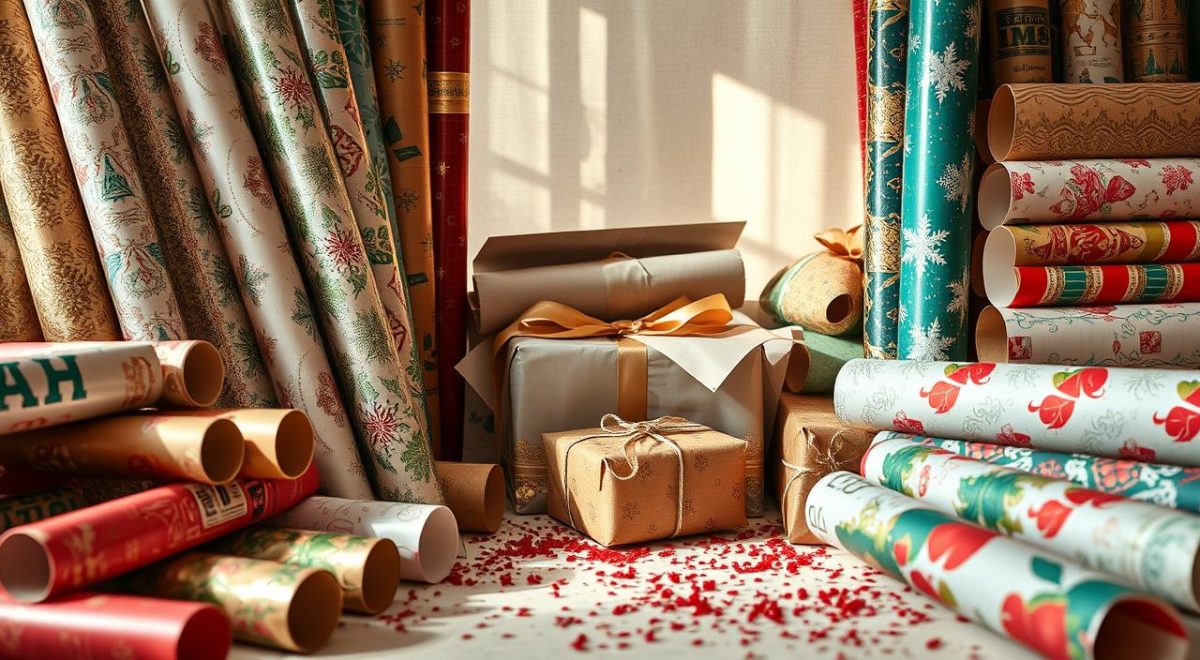
How to spot non-recyclable wrap
Do the scrunch test: if the sheet scrunches and stays scrunched, it is likely paper-based and easier to recycle. If it springs back or feels plasticky, it is probably laminated and should not go in the paper stream.
Look for material cues too: high shine, metallic finishes, plastic windows and heavy textured coatings usually mean mixed materials and more processing problems.
Why glitter causes big recycling problems
Glitter acts like a microplastic. It mixes into paper pulp, clogs sorting machines and can render whole bins unsellable.
Councils may treat contaminated loads as rejects, so even a small amount of glitter can spoil larger batches destined for recycling.
Sellotape, labels and mixed materials
Small amounts of tape and single labels are sometimes tolerated, but heavy taping and layered materials weaken fibre quality.
- Remove ribbon and non-paper trims before recycling.
- Flatten and separate plain paper and card from glued or laminated bits.
- If you cannot separate mixed materials, place them in general refuse rather than contaminating the recycling.
Bottom line: choosing less mixed-material wrap is the easiest win. Clear sorting reduces contamination and helps councils actually recycle more of what they collect.
Plastics turn up far beyond boxes and wrap, hiding in decorations, novelty clothing and everyday festive trinkets.
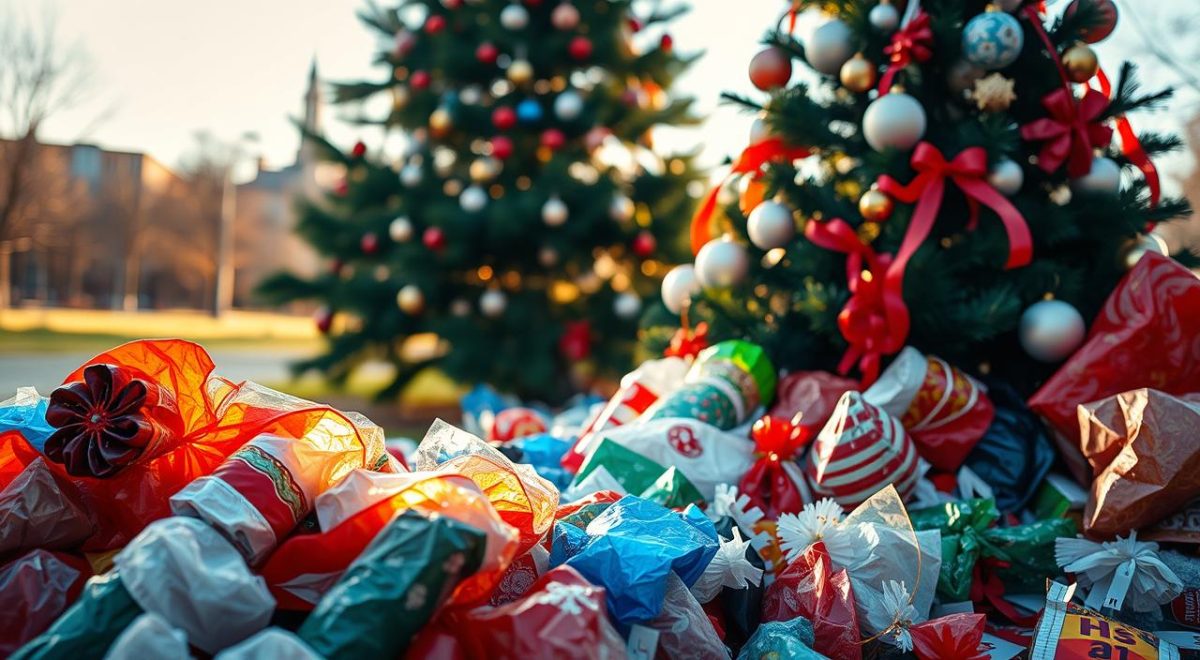
Where plastics hide in seasonal things
Decorations, toys and party items often contain mixed plastics and shiny coatings. Glitter, tinsel and cheap baubles are usually plastic or plastic-metal blends.
Many novelty jumpers and seasonal clothing are synthetic. The Global Warming Policy report says about 95% of Christmas jumpers use synthetic fibres that shed microfibres when washed.
Microplastics, chemicals and health
Microplastics are tiny fragments that form when larger items break down. They can reach rivers, soil and food chains via washing, littering and slow degradation.
Chemicals used in some products can affect air quality and food contact safety, and pose risks to human health across the lifecycle. That links personal choices to wider pollution and planetary harm.
- Buy fewer single-season products and choose natural fibres.
- Prioritise reusables and sturdy items to cut resource use.
- Reducing plastic at source is often more effective than relying on recycling alone.
Lower-waste swaps and smarter recycling that work in real life
Practical tips help families reuse, reduce single-use materials and manage leftover food more sustainably. The easiest way to cut what reaches bins is to reduce what comes into the home in the first place.
Reuse what you already have
Keep scraps of wrapping paper, gift bags, ribbons and sturdy boxes. Store them flat so they are ready for next time. Use small boxes as drawer organisers or for tidy storage.
Turn old cards into new items
Cut cards into gift tags or fold large card backs to wrap small presents. These simple craft ideas suit families and save buying new materials.
Choose better materials
Prefer plain recyclable paper, minimal boxes and refillable products where possible. Fewer mixed materials helps local services actually recycle more of what they collect.
Cut plastic at meals and for leftovers
Use durable, plastic-free containers — glass jars with silicone lids or stainless steel boxes work well. Avoid heating food in plastic to reduce exposure to microplastics and chemicals.
Handle plastic film and bubble wrap correctly
Do not put plastic film or bubble wrap in the home recycling bin. Take them to supermarket or store drop-offs where schemes exist and follow on-pack guidance.
Avoid wishcycling
If you are uncertain whether an item is recyclable locally, don’t guess. Either bin it or find a specialist drop-off. Contaminated loads can spoil whole batches at sorting centres.
Tree disposal choices
Real trees sent to landfill raise the carbon footprint and can create methane. Better options include council collections, mulch schemes or local drop-offs that compost wood and green material.
- Quick wins: reuse, choose plain paper, use glass or metal containers, and take plastic film to drop-offs.
- Household action matters, but industry shifts and support for a global plastics treaty will reduce production and resource use at scale.
Conclusion
Taking stock of what you discard each season reveals easy wins for the next time.
The main takeaway is simple: the familiar seasonal spike is predictable, and the biggest gains come from buying less, choosing simpler materials and sorting correctly at the right time.
Prioritise cutting mixed-material wrap, reducing plastics where you can, and keeping glitter or laminated items out of paper collections.
Small habits repeated year after year compound into real reductions for the planet. Pick a few practical swaps you can keep — reuse a box system, switch wrap, or use reusable containers for leftovers — rather than chasing perfection.
Household action may also signal demand for better products. Alongside personal choices, policy steps such as a plastics treaty may also help. Audit what you threw away this year and choose two realistic swaps to try next time.
 CALL NOW